
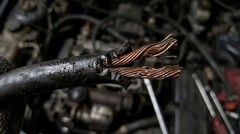
A dashboard light that flickers for no reason, a fuse that keeps blowing, or a battery that drains overnight can all point to the same frustrating culprit: an electrical short. Modern vehicles rely on miles of wiring and dozens of circuits, so when something goes wrong, tracking it down can feel like searching for a needle in a haystack. The good news is that learning how to safely narrow down the problem is possible, even if the final repair belongs in the hands of a professional. If you ever feel out of your depth, the team behind trusted auto repair in Neenah, WI is ready to help.
Before you grab a multimeter, it helps to understand what you are actually dealing with. An electrical short happens when current takes an unintended path, usually because bare wires touch each other or contact metal in the vehicle. That unwanted path draws excessive current, which is why fuses blow, components fail, and in worst cases, wiring overheats. Knowing the risks is the first step to diagnosing the issue without hurting yourself or your car.
Safety First: What to Do Before You Start
Working with a vehicle's electrical system demands respect for the power involved. Even a standard 12 volt system can produce enough current to cause burns or spark a fire if handled carelessly. The single most important step is disconnecting the negative battery terminal before you touch any wiring. This cuts power to the circuits and dramatically lowers the chance of an accidental spark.
Beyond that, remove any metal jewelry, wear safety glasses, and keep a small fire extinguisher within reach. If you smell burning plastic or see melted wiring, stop immediately and do not attempt to power the system back on. Those are signs the short has already caused damage, and continuing could make the situation dangerous. Owners of newer vehicles should be especially cautious, since hybrids and electric models carry high voltage systems that require specialized training. For those vehicles, our hybrid repair specialists have the equipment to handle high voltage safely.
Common Signs You Have an Electrical Short
Recognizing the symptoms early can save you time and prevent bigger problems down the road. Electrical shorts rarely announce themselves clearly, so you have to piece together the clues. Watch for these telltale indicators:
- A fuse that blows repeatedly, especially right after you replace it
- Lights that flicker, dim, or behave erratically
- A battery that drains overnight even when the car is off
- Accessories like power windows or the radio cutting in and out
- The faint smell of burning insulation or hot plastic
Any one of these on its own might have a simple explanation, but two or more together strongly suggest a wiring fault. The circuit that keeps failing usually points you toward the general area of the problem, which is a helpful starting point when you begin testing.
How to Diagnose the Problem Step by Step
Once you have taken safety precautions, you can begin the process of locating the fault. The goal is to isolate which circuit is affected and then follow that circuit until you find the break in insulation or the point of contact. A methodical approach beats guessing every time.
Start with the fuse box. Consult your owner's manual to identify which fuse corresponds to the malfunctioning component. Replace the blown fuse and turn on only that system. If the new fuse blows instantly, you have confirmed the circuit with the short. This alone narrows your search considerably.
Next, a multimeter becomes your best friend. Set it to measure resistance or continuity, then test the wiring along the affected circuit. A reading near zero resistance where there should be resistance indicates current is flowing where it should not. Inspect the wiring visually as you go, looking for frayed insulation, pinch points where a harness rubs against metal, or corrosion at connectors. Many shorts occur where wires flex repeatedly, such as near doors, hoods, or moving components.
Some technicians use a specialized short finder tool that replaces the fuse and helps trace the current path without repeatedly blowing fuses. If you do not have access to one, patience and careful inspection will get you most of the way there. Just remember that reconnecting the battery to test means the circuit is live again, so proceed carefully and disconnect power whenever you are handling bare wires.
When You Can Handle It and When to Call a Pro
Some electrical issues are well within reach of a confident DIYer. A single frayed wire that is easy to access, a corroded connector, or a loose ground strap can often be repaired at home with the right connectors and heat shrink tubing. Cleaning corrosion and securing a loose connection sometimes solves the whole problem in minutes.
Other situations call for professional help. When you cannot locate the short after careful searching, when the fault lives inside a sealed harness, or when multiple systems are affected, the time and specialized equipment required usually make a shop the smarter choice. Attempting to fix an electrical short in a car without the proper tools can turn a small repair into an expensive one if you accidentally damage a control module. Trying to fix an electrical short in a car that involves the engine management system or safety features like airbags is especially risky, since mistakes there carry real consequences.
Our technicians see these cases regularly across Neenah and the surrounding areas, and we have the diagnostic scanners and wiring diagrams needed to trace faults efficiently.
Preventing Electrical Shorts Before They Start
The best repair is the one you never have to make. While some shorts result from age or hidden manufacturing flaws, many trace back to preventable causes. Aftermarket accessories installed without proper wiring practices are a frequent offender, so if you add a stereo, lighting, or a trailer hitch harness, make sure connections are sealed and secured away from moving parts.
Routine inspection also goes a long way. During regular maintenance, having a technician check your wiring, grounds, and battery terminals can catch worn insulation before it becomes a full failure. Moisture and road salt are hard on connectors, which is worth keeping in mind through a Wisconsin winter. Keeping your electrical system clean and dry reduces the corrosion that so often leads to intermittent shorts.
Understanding how to safely diagnose an electrical short gives you real confidence when something goes wrong with your vehicle. Start by protecting yourself, recognize the symptoms early, isolate the affected circuit, and know your limits when it comes to more complex faults. Handling the simple repairs yourself while leaving the tricky ones to trained hands is a smart balance that keeps you safe and your car reliable.
If you have tried to track down the problem and still cannot find where things went wrong, or if you would rather not risk the delicate systems in a modern vehicle, we are glad to help. Attempting to fix an electrical short in a car is much easier with the right equipment and experience behind you. Reach out to JJs Auto Clinic for a thorough diagnosis and a repair you can trust, serving drivers throughout Neenah, Seymour, and neighboring communities.