
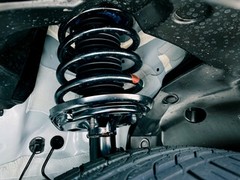
That high-pitched chirp or groan that shows up every time you roll over a speed bump has a way of getting under your skin. A squeaky car suspension is one of the most common complaints we hear from drivers, and while the noise itself is annoying, it is often your vehicle's way of telling you that something underneath needs attention. The good news is that most causes are easy to diagnose when you know where to look, and our team at JJ's Auto Clinic has traced down more squeaks than we can count. If the sound has you puzzled, our auto repair shop in the Neenah, WI area can pinpoint the source and get you back to a smooth, quiet ride.
Suspension components work hard every single mile, absorbing bumps, cushioning impacts, and keeping your tires planted on the road. Over time, the parts that make all of that possible wear down, dry out, or loosen. Understanding what causes the noise helps you decide whether it is a quick fix or a sign of something that should not wait.
Why Suspension Systems Start Making Noise
Your suspension is a network of moving joints, bushings, springs, and dampers, and nearly every one of those parts relies on either lubrication or a cushioning material to do its job quietly. When that lubrication runs dry or the cushioning material cracks and hardens, metal and rubber begin rubbing against each other in ways they were never meant to. The result is the squeak, creak, or groan you hear from the cabin.
A squeaky car suspension usually gets louder as the problem progresses, and the sound often changes depending on temperature, road surface, and how sharply you turn or brake. Cold mornings in Wisconsin can make rubber components stiffer, which is why many drivers notice the noise is worst right after starting up and tends to quiet down as everything warms. That pattern alone can tell an experienced technician a lot about where to begin looking.
The Most Common Culprits Behind the Squeak
While there are dozens of individual parts that could be responsible, the majority of suspension noises trace back to a handful of worn components. Here are the usual suspects we check first when a vehicle comes in with a squeaky car suspension:
- Worn or dry bushings: These rubber or polyurethane cushions sit between metal parts to reduce vibration. When they crack or dry out, they squeak with every movement.
- Ball joints: These pivot points allow your wheels to turn and move up and down. Once their grease wears away, they create a sharp creaking or popping sound.
- Control arm components: Loose or worn control arm connections often chirp or clunk over bumps.
- Shocks and struts: Failing dampers can leak fluid and produce a knocking or squeaking noise, especially over rough roads.
- Sway bar links: These small connectors are notorious for rattling and squeaking when their bushings deteriorate.
Any one of these can be the source, and sometimes more than one is involved at the same time. That is why a proper inspection matters so much. Guessing at the cause often leads to replacing a part that was not actually the problem.
How Weather and Road Conditions Play a Role
Drivers in Neenah and the surrounding areas put their suspensions through a lot. Harsh winters, salted roads, potholes, and the freeze-thaw cycle all accelerate wear on rubber bushings and metal joints. Road salt in particular is tough on suspension hardware, speeding up corrosion that can seize components and introduce new noises over time.
Moisture is another factor. When water works its way into a joint and washes away the protective grease, you get the classic squeak that shows up after driving through rain or slush. This is one reason the same noise can seem to come and go with the seasons. It does not mean the problem fixed itself. It usually means conditions temporarily quieted it down while the underlying wear continues.
When a Squeak Becomes a Safety Concern
It is tempting to tune out a minor squeak and keep driving, but suspension noises deserve attention because the suspension directly affects how your car handles, brakes, and stays in control. A worn ball joint, for example, is not just noisy. In severe cases it can fail completely, which is a serious safety issue. Worn shocks and struts lengthen your stopping distance and reduce stability during sudden maneuvers.
You should take a squeaky car suspension seriously if you notice any of these alongside the noise: uneven tire wear, a car that pulls to one side, a bouncy or floaty ride, clunking over bumps, or a steering wheel that feels loose or vibrates. Those symptoms suggest the wear has progressed beyond a simple annoyance. Having the issue looked at early almost always costs less than waiting until a part fails and damages others around it. You can always schedule a service appointment if any of these warning signs sound familiar.
What to Expect During a Suspension Inspection
When you bring your vehicle in for a squeak, a technician will typically start with a road test to hear the noise and note when it occurs. From there, the car goes up on a lift so the suspension can be inspected under load and with the wheels free. Technicians check bushings for cracks, test joints for play, look for leaking shocks or struts, and examine sway bar links and mounting hardware.
Sometimes the fix is as simple as lubricating a dry component or tightening a loose connection. Other times it means replacing a worn part to restore both quiet operation and proper handling. The point of a thorough inspection is to fix the actual cause rather than mask the symptom, so the noise does not return a few weeks later.
Keeping Your Suspension Quiet for the Long Haul
Preventive care goes a long way toward avoiding a squeaky car suspension in the first place. Having your suspension and steering components inspected during routine service, especially before and after Wisconsin winters, helps catch worn bushings and dry joints before they get loud. Keeping your tires properly inflated and aligned reduces stress on suspension parts, and addressing small noises promptly prevents them from turning into bigger repairs.
At JJ's Auto Clinic, we help drivers throughout Neenah, Seymour, and neighboring towns keep their vehicles riding smoothly and safely. If a squeak, creak, or clunk has crept into your daily commute, do not wait for it to get worse. Reach out for a thorough inspection, get an honest explanation of what we find, and let our team restore the quiet, confident ride you expect from your vehicle.