
That unsettling shudder that travels through your steering wheel or brake pedal the moment you slow down is one of the most common complaints drivers bring to us. Car shaking when braking is more than an annoyance. It is usually your vehicle telling you that something in the braking or suspension system needs attention before it becomes a bigger problem. If you have noticed this happening on your commute or during errands, you are not alone, and the fix is often more straightforward than you might expect. For trusted auto repair in the Seymour area, understanding what causes the shaking is the first step toward getting back to a smooth, confident stop.
The good news is that a shaking vehicle rarely means catastrophe. More often, it points to normal wear on a specific component. The tricky part is that several different issues can produce a similar sensation, so pinpointing the true cause takes a careful inspection. Below, we walk through the most likely culprits and what each repair typically involves.
Warped or Unevenly Worn Brake Rotors
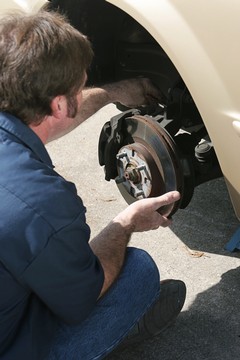
The single most frequent reason for car shaking when braking is a problem with the brake rotors. Rotors are the smooth metal discs that your brake pads clamp onto to slow the wheels. Over time and with heavy heat, they can develop uneven thickness or slight warping. When the surface is no longer perfectly flat, the brake pads grab and release repeatedly across each rotation, which creates that pulsing vibration you feel in the pedal and steering wheel.
Heat is the biggest enemy here. Repeated hard stops, riding the brakes down long hills, or towing heavy loads can all raise rotor temperatures enough to cause distortion. In some cases, rotors can be resurfaced if there is enough material left to machine them smooth again. In other cases, replacement is the safer and longer lasting choice. During an inspection, we measure rotor thickness and check for runout, then recommend the option that gives you the most reliable results.
Worn Brake Pads and Sticking Calipers
Brake pads wear down naturally with every mile, and when they get too thin they can cause vibration as well as squealing or grinding. Uneven pad wear is especially likely to produce a shake, since one side of the brake system ends up applying more pressure than the other. Ignoring worn pads also risks damaging the rotors, which turns a smaller repair into a larger one.
Calipers add another layer to the picture. A caliper is the clamp that pushes the pads against the rotor. If a caliper sticks or fails to release properly, it keeps constant pressure on one wheel. That drags on the vehicle, generates excess heat, and can lead to the warping we described earlier. A sticking caliper often reveals itself through pulling to one side along with the shaking. Addressing pads and calipers together restores balanced, even braking across all four wheels.
Tire and Wheel Problems That Mimic Brake Issues
Not every vibration comes from the brakes themselves. Sometimes the tires and wheels are the real source, and the shaking simply becomes more noticeable when you slow down. Unbalanced tires, uneven tread wear, a bent wheel, or a tire that is separating internally can all send vibrations through the vehicle. Because these symptoms overlap so closely with brake trouble, it helps to have a technician evaluate the whole system rather than guessing.
Wheel alignment plays a role too. When the alignment drifts out of specification, tires wear unevenly and the steering can feel loose or shaky. A thorough check will look at tire condition, balance, and alignment alongside the brakes so that nothing gets overlooked. This kind of complete diagnostic approach saves you from replacing parts that were never the problem in the first place.
Suspension and Steering Components
Your suspension keeps the wheels planted and the ride controlled, so when parts in that system wear out, stability suffers. Worn tie rod ends, ball joints, wheel bearings, or bushings can all allow small amounts of movement that turn into noticeable shaking, particularly during braking when weight shifts forward. A failing wheel bearing, for example, may produce a wobble that gets worse the harder you press the pedal.
These components are also safety related, since they directly affect how well you can steer and control the vehicle. A loose steering or suspension part will not fix itself and tends to worsen gradually until the problem becomes urgent. If your car shaking when braking is accompanied by clunking sounds, loose steering, or uneven tire wear, the suspension deserves a close look. Catching these issues early keeps repair costs down and keeps you safer on the road.
How the Diagnosis Works
Because so many different parts can cause similar symptoms, guessing rarely pays off. A proper diagnosis starts with a conversation about when and how the shaking happens. Does it appear only at highway speeds, or at every stop? Does the steering wheel shake, the pedal pulse, or the whole car shudder? These details point our technicians toward the likely area before a single tool comes out.
From there, a hands on inspection typically covers a few key areas:
- Brake rotor thickness, runout, and surface condition
- Brake pad wear and caliper function
- Tire balance, tread condition, and wheel straightness
- Suspension and steering components for play or wear
Working through these systematically ensures the real cause gets addressed rather than masked. Once we identify what is going on, we explain the findings in plain language and go over your options so you can make an informed decision. Our process is built around clear communication and honest recommendations.
Why Prompt Repairs Matter
It can be tempting to live with a mild vibration, especially when the car still stops. The problem is that braking issues rarely stay small. A slightly warped rotor can wear pads faster, a sticking caliper can overheat and fail, and a worn suspension part can compromise your control at exactly the wrong moment. Every one of these situations gets more expensive and more dangerous the longer it waits.
Addressing car shaking when braking early also protects the components around the failing part. Fresh pads on a rotor with proper thickness, balanced tires on a healthy suspension, and calipers that release cleanly all work together to give you smooth, quiet, dependable stops. That peace of mind is well worth a timely visit rather than hoping the noise goes away.
If the shudder in your pedal or steering wheel has become a regular part of your drive, do not wait for it to worsen. The team at our auto repair shop in Neenah, WI serves drivers throughout Seymour and the surrounding areas, and we are ready to track down the cause and get your vehicle stopping the way it should. Whether the fix is new rotors, fresh pads, a tire balance, or a suspension repair, an accurate diagnosis is the fastest path to a lasting solution.
Reach out to schedule an inspection and let us take the guesswork out of what is causing the shake. You can contact JJs Auto Clinic today for a thorough evaluation, and if you want to save a little on your visit, take a look at our current coupons before you come in. Smooth, confident braking is closer than you think.