
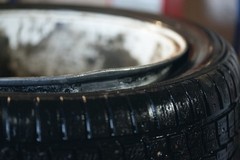
Hitting a deep pothole, scraping a curb, or riding over road debris can leave your wheel looking less than round, and it often happens in an instant. One moment you are driving smoothly, and the next you feel a vibration in the steering wheel or notice your tire losing air overnight. If you have found yourself staring at a damaged wheel, the first question on your mind is probably this: can a bent car rim be fixed, or is it time to start shopping for a replacement? For drivers who rely on auto repair in Seymour and beyond, understanding your options can save you money and keep you safe on the road.
The honest answer is that it depends on several factors, including the severity of the bend, the material of your wheel, and where exactly the damage is located. In this guide, we will walk through what causes rim damage, how to tell whether repair is realistic, and when replacement is the smarter long-term choice.
What Causes a Bent Rim in the First Place
Rims take a beating that most drivers never think about. Every pothole, railroad crossing, and poorly marked speed bump transfers force directly into your wheels. Potholes are the most common culprit, especially during Wisconsin winters when freezing and thawing cycles tear up the pavement. When a tire drops into a pothole at speed, the rim absorbs a sudden impact that can flatten or crimp the metal along the outer lip.
Curb strikes are another frequent cause. Parking too close to a raised curb or clipping it while turning can gouge and bend the edge of a wheel. Low-profile tires make this worse because there is less sidewall rubber to cushion the blow before the rim takes the hit. Road debris, accidents, and even improperly torqued lug nuts can also contribute to warping over time. Knowing the cause helps a technician judge how deep the damage really goes.
Signs Your Rim Is Actually Bent
Not every vibration means a bent rim, but there are telltale clues worth watching for. A steering wheel that shakes at certain speeds, a tire that steadily loses air without an obvious puncture, or a visible flat spot along the wheel edge are all strong indicators. You might also hear a rhythmic thumping that gets faster as you accelerate, or feel the car pulling slightly to one side.
Sometimes the damage is obvious, with a clear dent or warp you can see when you crouch down and look at the wheel. Other times it is subtle and only shows up during a professional inspection on a balancing machine. If you suspect something is wrong, it is best to have it checked promptly. Driving on a compromised wheel can accelerate tire wear, stress your suspension, and in severe cases lead to a dangerous blowout.
Can a Bent Car Rim Be Fixed?
Here is the heart of the matter. In many cases, yes, a bent car rim can be fixed, particularly when the damage is limited to the outer lip and the wheel is made of steel or standard aluminum alloy. Minor bends are often straightened using specialized hydraulic equipment and controlled heat, then re-checked for roundness and balance. A properly repaired rim can hold air reliably and perform just like it did before, which makes repair an appealing and affordable option for a lot of drivers.
That said, repair is not always possible or wise. Cracks in the metal are a serious red flag, because a cracked wheel can fail suddenly even if it looks fine after a cosmetic fix. Bends located on the inner barrel, severe warping that affects multiple areas, and damage to delicate forged or multi-piece wheels often push the situation toward replacement. The structural integrity of the wheel always comes first, and a trustworthy shop will tell you honestly when a repair is not safe to attempt.
When Replacement Makes More Sense
There are situations where putting money into a repair simply is not worth it. If a wheel is cracked, heavily corroded, or bent in several places, replacement is usually the safer and more economical choice over the long run. The same goes for many modern alloy wheels, which can be brittle and prone to failure after being heated and reshaped. In those cases, attempting a repair might buy you a little time but leave you with an unreliable wheel that compromises your safety.
Cost also plays a role in the decision. For an older or budget vehicle, a used or aftermarket replacement wheel might cost about the same as a repair while giving you a wheel with no history of stress. For luxury or performance vehicles with expensive factory wheels, repair often remains the more sensible path because a brand new wheel can be surprisingly pricey. A good technician will weigh these factors with you rather than pushing a one-size-fits-all answer.
Here are the main things that tip the scale toward replacing rather than repairing a rim:
- Visible cracks anywhere on the wheel, which cannot be safely repaired
- Multiple bends or severe warping across the wheel
- Significant corrosion that weakens the metal
- Damage to the inner mounting surface that affects sealing or balance
Protecting Your Wheels Going Forward
Once your wheel situation is sorted out, a few habits can help you avoid a repeat. Keeping your tires properly inflated adds a cushion of air that absorbs impacts before they reach the rim, so checking pressure regularly pays off. Slowing down over rough pavement, giving potholes a wide berth when it is safe to do so, and being mindful of curbs while parking all reduce your risk considerably.
Routine wheel alignment and balancing also matter more than most people realize. When your alignment is off, tires wear unevenly and your wheels work harder, which can magnify the effects of a small impact. Pairing good driving habits with regular maintenance from a dependable auto repair shop in Neenah, WI keeps your wheels, tires, and suspension working together the way they should. If you are not sure where to start, our team is happy to inspect your vehicle and point you in the right direction.
Getting an Honest Assessment
When you are facing a bent wheel, the smartest move is a professional inspection rather than a guess. A technician can measure runout, check for cracks, test whether the rim holds air, and evaluate the metal before recommending repair or replacement. That hands-on assessment is the only reliable way to answer whether a bent car rim can be fixed for your specific vehicle and situation, since photos and online estimates rarely tell the whole story.
At JJs Auto Clinic, we serve drivers throughout Seymour and the surrounding areas, and we believe in giving you straight answers about what your car truly needs. Whether your wheel can be straightened or is better off replaced, we will explain your options clearly and help you choose what fits your budget and keeps you safe. You can explore our full range of services or reach out to schedule an inspection whenever you are ready.
A bent rim is frustrating, but it does not have to leave you stranded or overspending. By understanding the signs, knowing when repair is realistic, and leaning on a trusted shop for an honest evaluation, you can get back on the road with confidence. If you have been wondering whether that damaged wheel is worth saving, bring it in and let us take a look.